
Unwanted hair
Is laser hair removal worth it, and does it hurt?
Shaving every day, booking waxes every few weeks, ingrown hairs and irritation are common reasons people ask about laser hair removal at SydneySkinLab. For fine, soft facial hair, DMK Alkaline Wash may be an option instead. What suits you depends on your hair, your skin and the area you want treated, which is why every plan begins with a consultation.
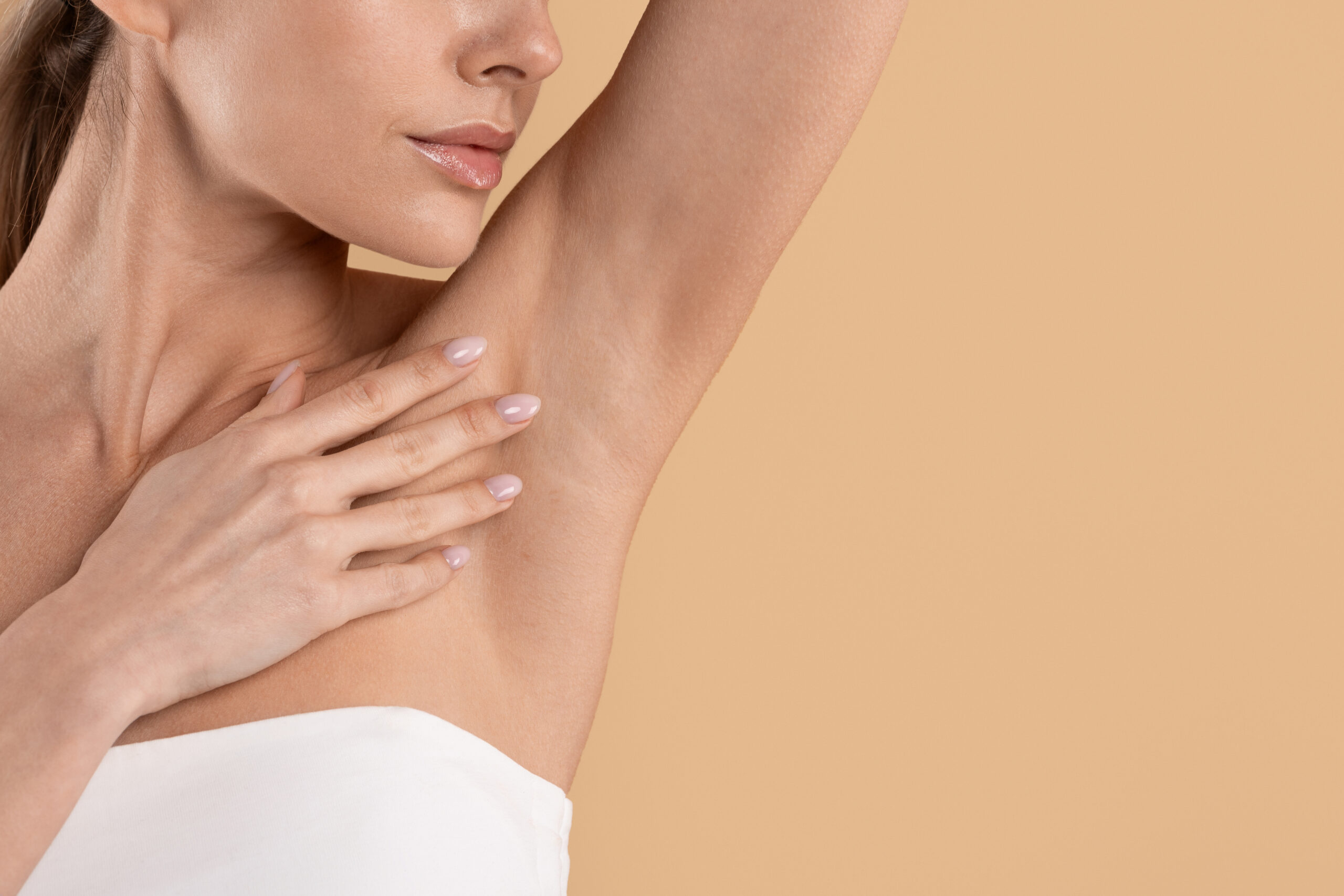
How laser hair removal works
Laser light is absorbed by the pigment in the hair and turned into heat, which targets the hair follicle while aiming to leave the surrounding skin unaffected. Because it relies on pigment, the colour of your hair and the tone of your skin both affect how well it works and which settings are suitable.
Hair grows in cycles
Only hairs in the active growth phase respond to laser at any one time, which is why a course of sessions spaced several weeks apart is needed.
Darker hair responds best
Blonde, red, grey and white hair contain little pigment and usually respond poorly or not at all.
Hormones can play a part
New or increasing hair growth on the face or body can be linked to hormonal changes or medical conditions. If this sounds like you, we may recommend you also speak to your GP.
Why it starts with a consultation and patch test
Your consultation looks at your hair colour, skin tone, medical history, medications and recent sun exposure to work out whether laser hair removal is suitable for you. A patch test checks how your skin responds before a full treatment, and your clinician will talk you through what a realistic outcome looks like and how many sessions are likely to be involved.
Laser hair removal is not suitable for everyone, including over tanned skin, some medications and some skin conditions.
Treatment options
Treatments that may be recommended
The right option depends on the type of hair, its colour and the area. Your clinician will recommend what suits you at your consultation.
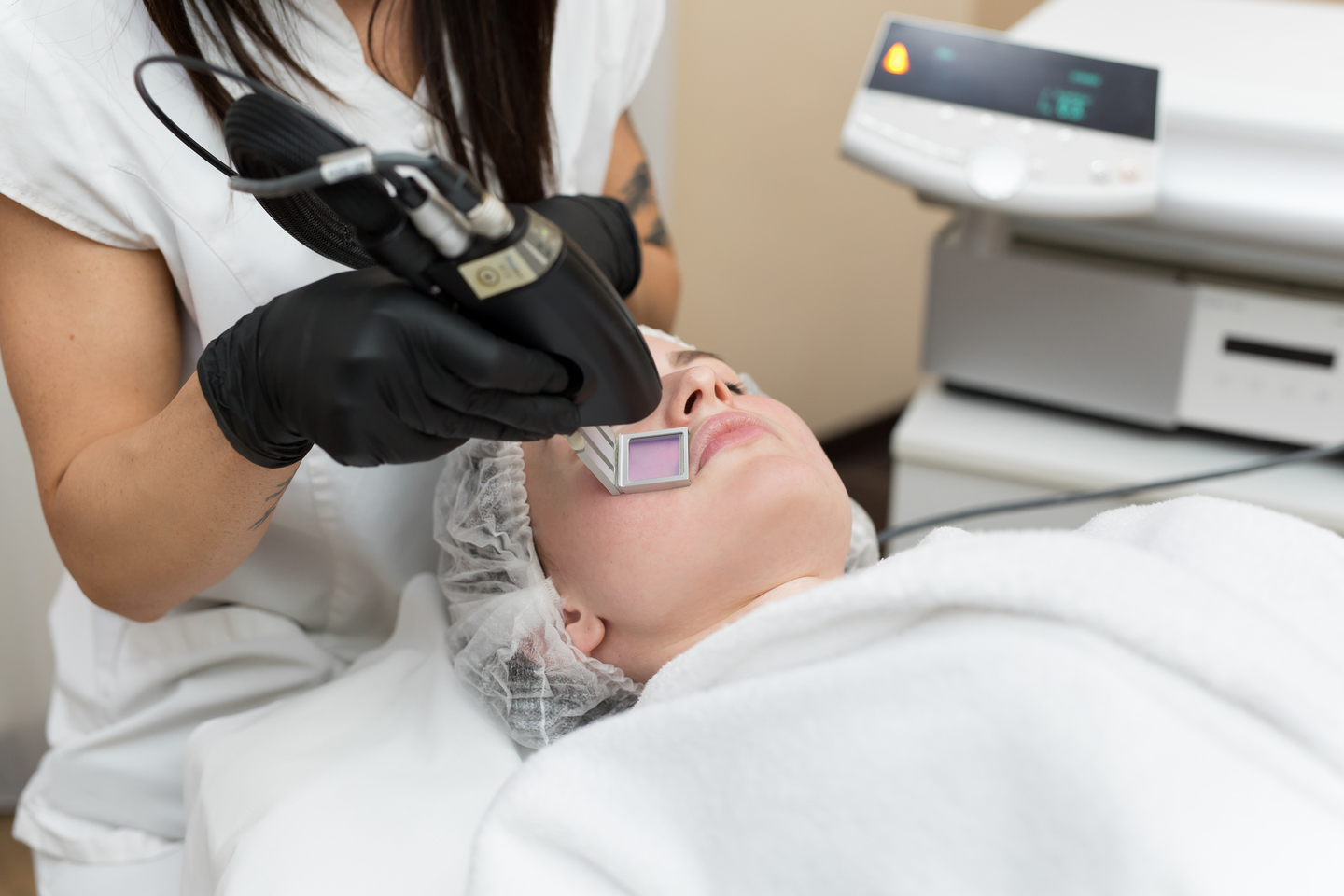
Laser hair removal
Laser hair removal aims for a long-term reduction in unwanted hair over a course of sessions. Most people notice fewer, finer and slower-growing hairs as the course goes on. Some regrowth over time is common, and maintenance sessions may be recommended.
Areas commonly treated
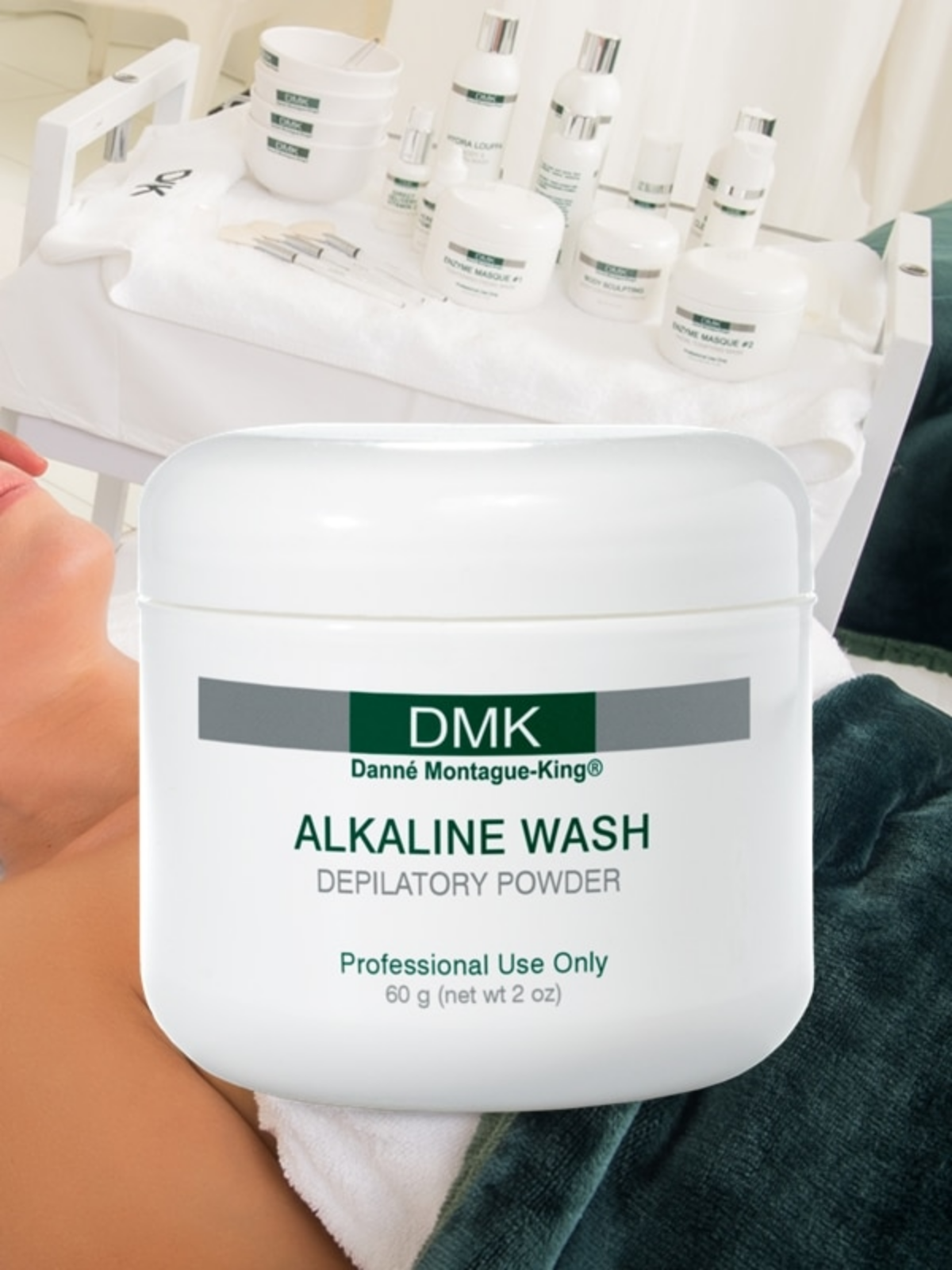
DMK Alkaline Wash: facial hair removal
A professional treatment for fine, soft facial hair, often called peach fuzz. DMK Alkaline Wash uses an alkaline solution to break down fine hair on areas such as the upper lip, chin and sides of the face, and the skin may feel smoother afterwards. Fine, light hair often does not respond to laser, so this may be an option where laser is not suitable.
Hair grows back over time, so results are temporary and the treatment is repeated as needed. Your therapist will assess your skin and hair during your consultation to determine whether the treatment is suitable for you.
How a laser hair removal plan comes together
Consultation and patch test
An assessment of your hair, skin and history, and a patch test to check how your skin responds.
Prepare
Shave the area before each session, and avoid waxing, plucking, tanning and sun exposure for the period your clinician advises.
Course of sessions
Sessions spaced several weeks apart to match the hair growth cycle, reviewed as your hair responds.
Maintain
Occasional maintenance sessions, where recommended, for any regrowth.
What to expect
Treated hairs usually shed over one to three weeks after a session. Change builds gradually over a course of sessions spaced four to eight weeks apart, depending on the area. Results vary between people and areas, and laser hair removal reduces hair rather than removing every hair. Some regrowth over time is common, so maintenance sessions may be recommended.
Potential risks
All treatments carry risks. Laser hair removal can cause redness, swelling and bumps around the follicles, discomfort, burns, blistering, crusting, temporary or lasting changes in skin colour and, rarely, scarring or increased hair growth in or near the treated area. Protective eyewear is worn during treatment. DMK Alkaline Wash can cause redness, stinging, tingling and temporary sensitivity. Your clinician will explain the risks that apply to you before you proceed.
Aftercare
Avoid sun exposure, tanning, heat, hot showers, saunas and strenuous exercise for the period your clinician advises. Do not wax or pluck between sessions. Apply broad-spectrum SPF 50+ to treated areas exposed to the sun. You will receive written aftercare instructions specific to your treatment.
Common questions
Does laser hair removal hurt?
Most people describe the feeling as a snap or flick against the skin, with some warmth afterwards. How it feels varies from person to person and between areas of the body. Your clinician will talk you through what to expect and can adjust settings for comfort where appropriate.
Is laser hair removal permanent?
Laser hair removal aims for a long-term reduction in hair, not the removal of every hair. Most people see fewer, finer hairs over a course of sessions, and some regrowth over time is common, so maintenance sessions may be recommended.
How many sessions will I need?
Hair grows in cycles, and laser works on hairs in the active growth phase, so a course of sessions spaced several weeks apart is needed. The number depends on the area, your hair and your skin. Your clinician will give you an estimate at your consultation.
Does it work on all hair colours?
Laser works best on darker hair. Blonde, red, grey and white hair usually respond poorly or not at all. Your skin tone also affects which settings are suitable, which is why a consultation and patch test come first.

Consultation & patch test
Find out if laser hair removal suits you
Book a consultation and patch test to have your hair and skin assessed and talk through whether laser hair removal may suit you. Treatment is only recommended after your suitability has been assessed.
Book a consultationIndividual results vary. All cosmetic and skin treatments carry risks. A consultation and patch test are required to determine whether laser hair removal is suitable for you. The information on this page is general in nature and is not a substitute for a professional assessment or medical advice.