
Redness, flushing & capillaries
Why does my face go red and stay red?
Redness that flares with heat, exercise or a glass of wine, flushing that takes hours to settle, or fine red lines around the nose and cheeks. These are common reasons people visit SydneySkinLab. The cause behind your redness shapes the approach, which is why every plan begins with a skin consultation.
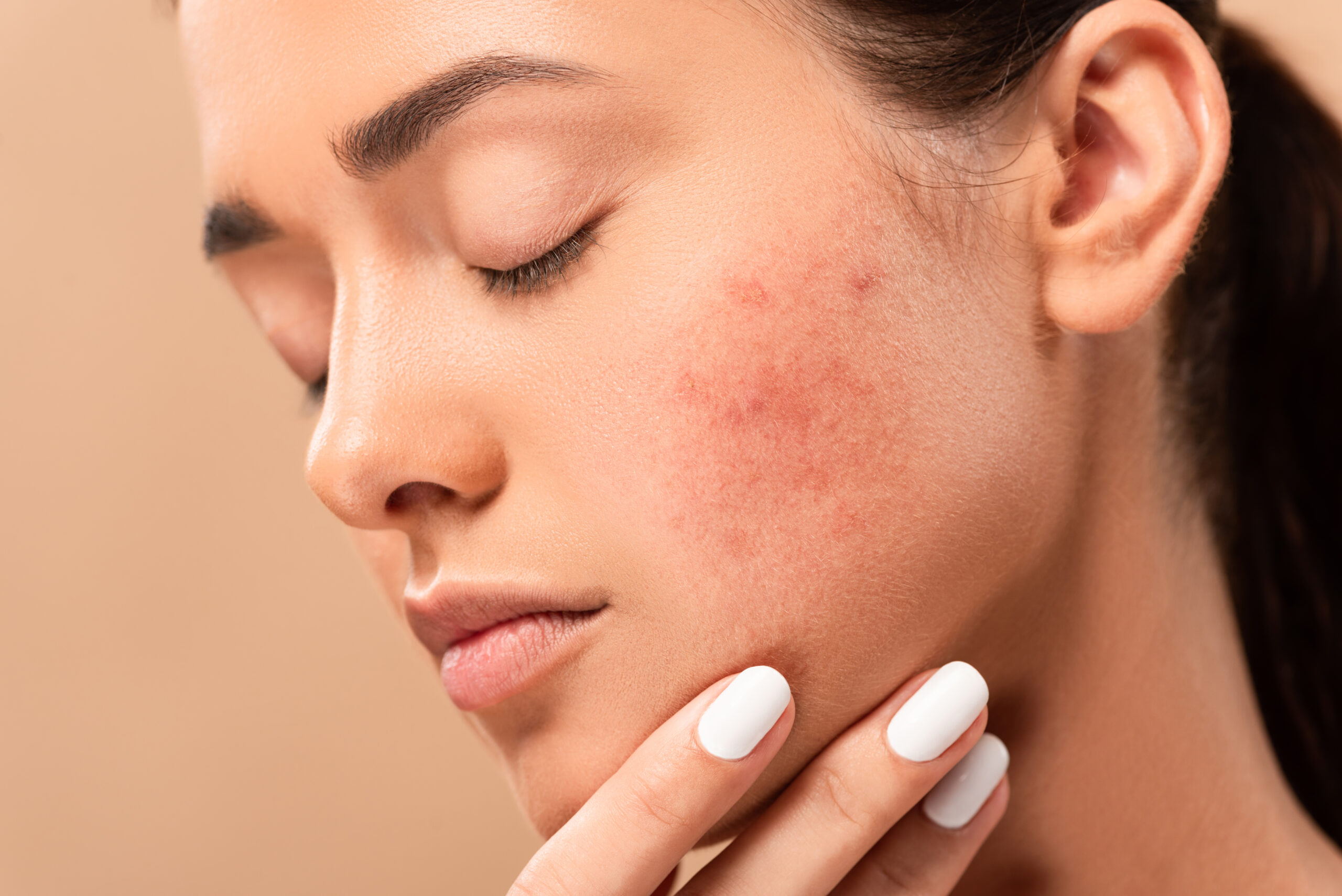
Why redness happens
Redness appears when blood vessels near the surface of the skin widen, become more visible or react more easily than usual. Sun exposure, heat, alcohol, spicy food, stress, harsh skincare and genetics can all play a part. Some redness comes and goes, while some becomes more constant over time.
Flushing and persistent redness
Redness across the cheeks, nose or chin that flares with triggers and may take longer to settle each time.
Broken capillaries
Fine red or purple lines, often around the nose and cheeks, caused by small surface blood vessels that have become permanently widened.
Rosacea-prone skin
Rosacea is a medical skin condition that can involve flushing, redness, visible vessels and bumps. If rosacea is suspected, we may recommend you also see your GP or a dermatologist, and in-clinic care can work alongside their advice.
Sensitised skin
Redness, stinging or reactivity that can follow over-exfoliation, a weakened skin barrier or the wrong products.
Why it starts with a consultation
Your consultation includes a skin assessment to work out what type of redness you have, what is likely triggering it and whether any in-clinic treatment is suitable. Your clinician will talk you through the options, what a realistic outcome looks like and how many sessions are likely to be involved.
Not everyone is suitable for every treatment. Your skin type, medical history, medications and recent sun exposure are all considered before anything is recommended.
Treatment options
Treatments that may be recommended
Most plans combine in-clinic treatment with homecare that supports a calmer skin barrier. Your clinician will recommend a combination based on your assessment.
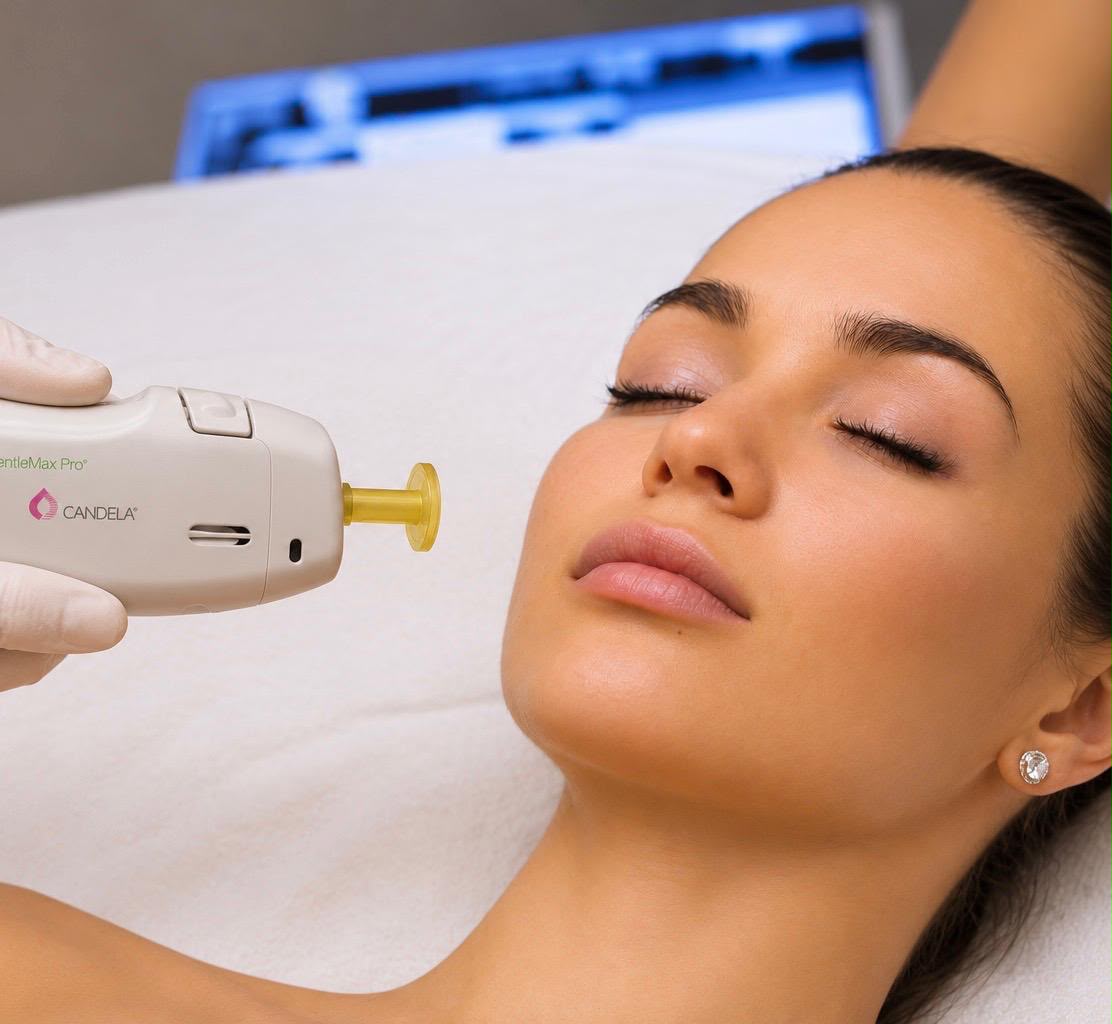
Laser Redness Reduction
Laser energy targets the visible blood vessels behind diffuse redness and flushing to help reduce their appearance over a course of sessions.
Learn more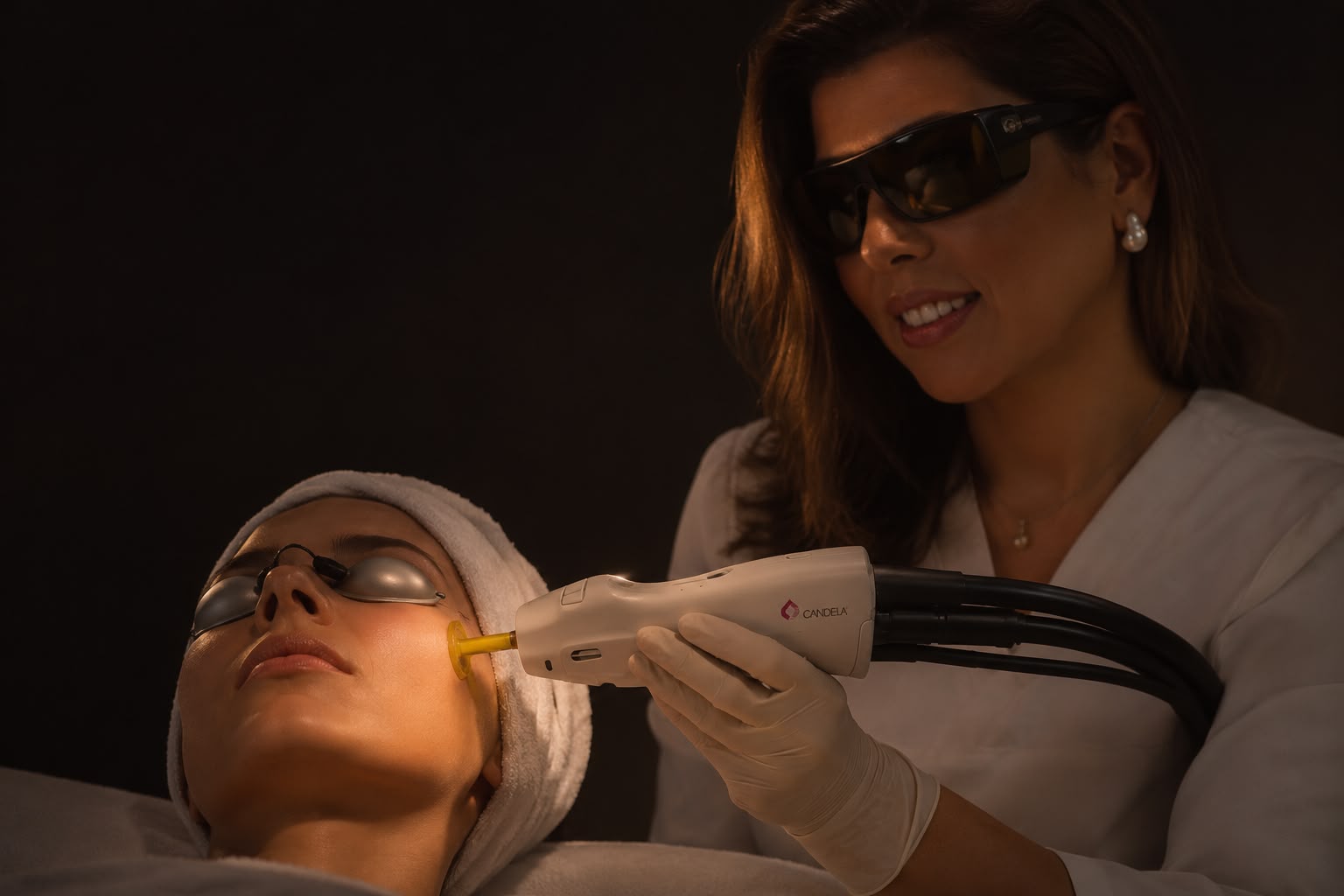
Laser Vascular & Capillary Reduction
Targets individual broken capillaries and fine visible vessels, most often around the nose and cheeks. Suitability depends on vessel size and skin type.
Learn more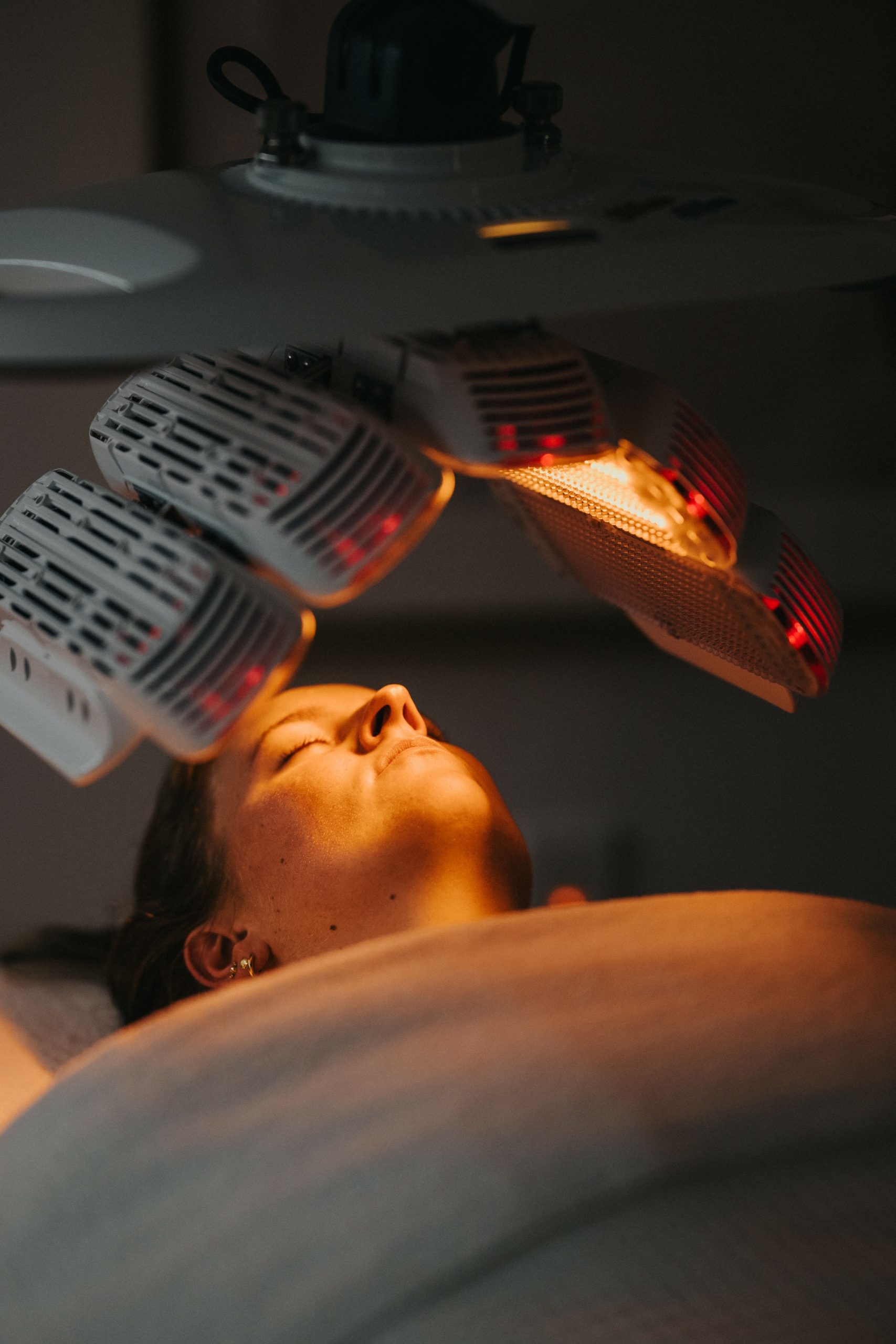
LED Therapy (Healite II)
Light therapy that is often added to a treatment plan, including after other in-clinic treatments. Your clinician will advise whether it suits your skin.
Learn more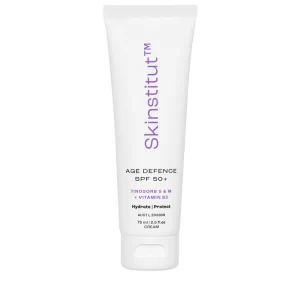
Homecare & SPF
DMK and Skinstitut homecare, including SPF 50+, chosen to suit redness-prone and sensitive skin between visits.
Shop homecareHow a redness plan comes together
Skin consultation
An assessment of your redness, triggers, skin type and history, and a plan built around what we find.
Calm the skin
Simplifying your routine and supporting the skin barrier, so your skin is settled before any in-clinic treatment.
In-clinic treatment
A course of treatments spaced over several weeks, reviewed as your skin responds.
Maintain
Managing triggers, daily sun protection, homecare and, where recommended, maintenance appointments.
What to expect
Change is usually gradual. Most people need a course of laser treatments, typically spaced four to six weeks apart. Treated areas can look redder or slightly swollen for a short time afterwards. Treatment does not stop new vessels from forming, so how long results last depends on your skin, your triggers and your sun protection. Maintenance treatment may be recommended.
Potential risks
All treatments carry risks. Laser treatment for redness and vessels can cause redness, swelling, bruising, crusting, blistering, temporary or lasting changes in pigmentation and, rarely, scarring. Your clinician will explain the risks that apply to your recommended treatment before you proceed.
Aftercare
Avoid heat, hot showers, saunas, strenuous exercise, alcohol and active skincare for the period your clinician advises. Apply broad-spectrum SPF 50+ every day and follow the homecare routine prescribed for you. You will receive written aftercare instructions specific to your treatment.
Common questions
Will my redness come back?
It can. Treatment can reduce the appearance of existing redness and vessels, but it does not change the tendency to flush or form new vessels. Managing triggers, daily sun protection and a maintenance plan all help.
Can you treat rosacea?
Rosacea is a medical condition. We can assess your skin and discuss in-clinic options that may help with the redness and visible vessels, and we may recommend you also see your GP or a dermatologist for medical management.
How many sessions will I need?
It depends on the type of redness, the size and number of vessels and how your skin responds. Most people need a course rather than a single session. Your clinician will give you an estimate at your consultation.
Will I be red after treatment?
Some redness and swelling is common straight after laser treatment, and bruising can occur. Your clinician will tell you what to expect for your treatment and how long it usually takes to settle.

Skin consultation
Find out what is behind your redness
Book a skin consultation to have your redness assessed and talk through the options that may suit you. Treatment is only recommended after your suitability has been assessed.
Book a skin consultationIndividual results vary. All cosmetic and skin treatments carry risks. A consultation is required to determine whether a treatment is suitable for you. The information on this page is general in nature and is not a substitute for a professional assessment or medical advice.