
Pigmentation & sun damage
Why do I have brown patches, and what can be done about them?
Brown spots, uneven patches and freckling that seem to deepen every summer are some of the most common reasons people visit SydneySkinLab. The right approach depends on what type of pigmentation you have, which is why every plan begins with a skin consultation.

Why brown patches appear
Pigmentation happens when the skin produces more melanin in some areas than others. UV exposure is the most common trigger in Australia, but hormones, inflammation and genetics all play a part. Different types look similar to the eye and behave very differently in treatment.
Sun damage (sun spots)
Flat brown marks on the face, chest, hands and shoulders that build up over years of UV exposure.
Melasma
Larger, symmetrical patches, often across the cheeks, forehead or upper lip, linked to hormones and heat as well as sun. Some treatments can make melasma worse, so correct identification matters.
Post-inflammatory pigmentation
Marks left behind after acne, a rash, a burn or another injury to the skin.
Why it starts with a consultation
Your consultation includes a skin assessment to work out which type of pigmentation you have, how deep it sits and what is driving it. From there, your clinician will talk you through which treatments may be suitable, what a realistic outcome looks like and how many sessions are likely to be involved.
Not everyone is suitable for every treatment. Your skin type, medical history, medications and recent sun exposure are all considered before anything is recommended.
Treatment options
Treatments that may be recommended
Most plans combine in-clinic treatment with homecare. Your clinician will recommend a combination based on your assessment.
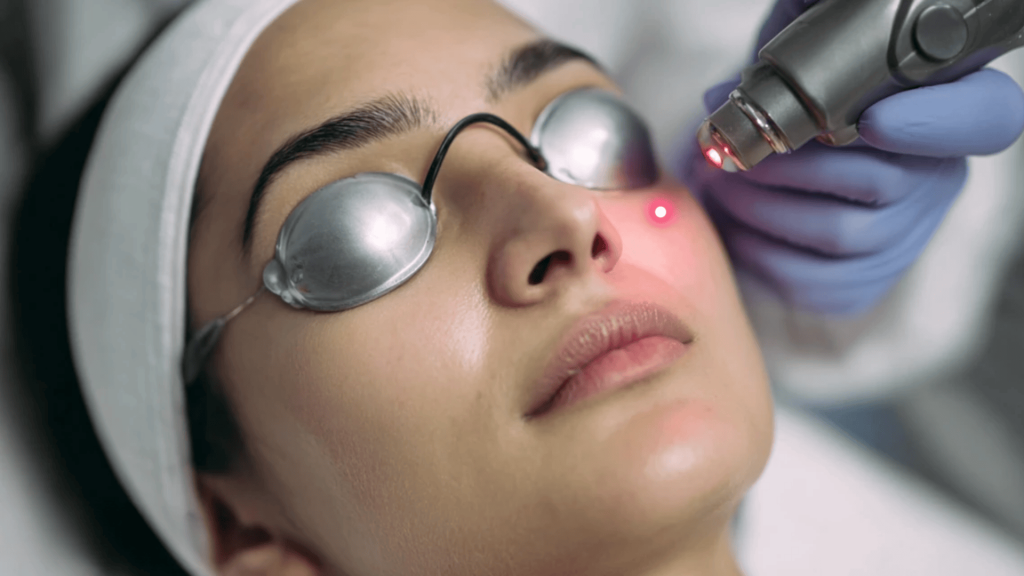
Laser Pigmentation Removal
Laser energy targets melanin in the skin to help fade the look of sun spots and uneven pigmentation. Not suitable for every pigmentation type or skin tone.
Learn more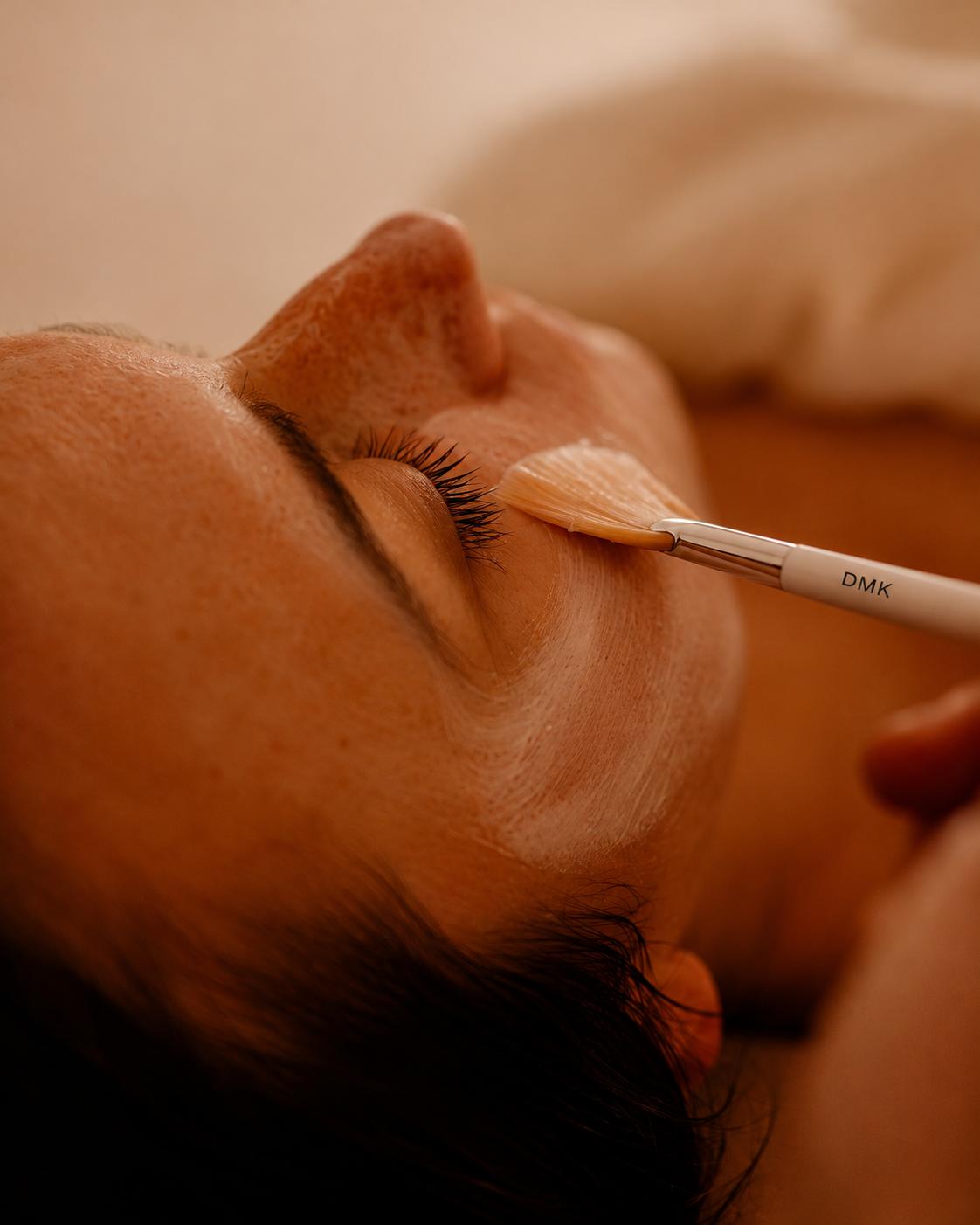
DMK Alpha Bright De-pigmenting Peel
A DMK peel that works on excess melanin production while resurfacing the skin. DMK Vitamin A Peels (A1, A2, A3) may also be recommended for sun-damaged skin.
Learn more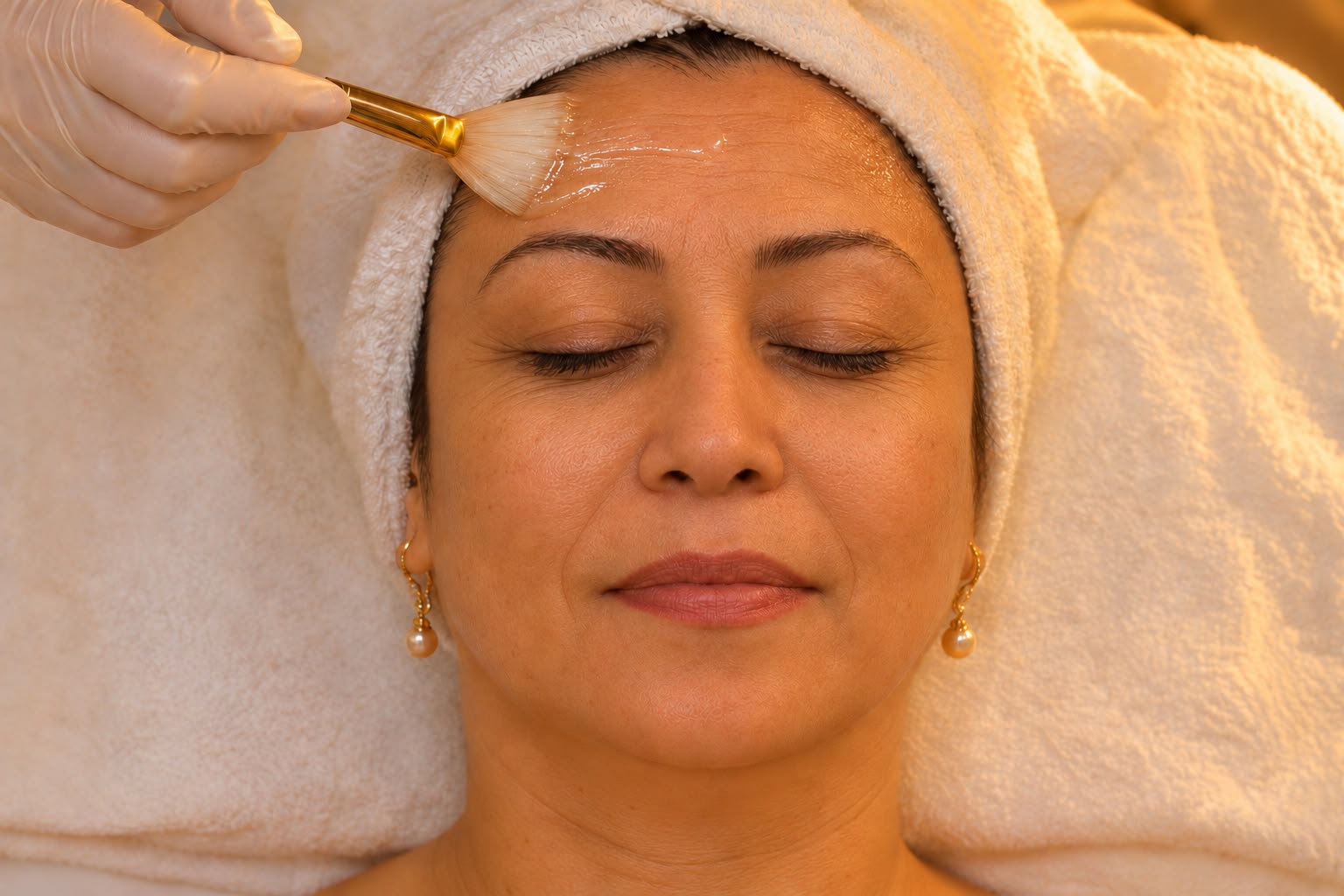
Clear & Bright Peel
An in-clinic peel that exfoliates the outer layers of the skin to help with dullness and uneven tone. Peel choice is matched to your skin at consultation.
Learn more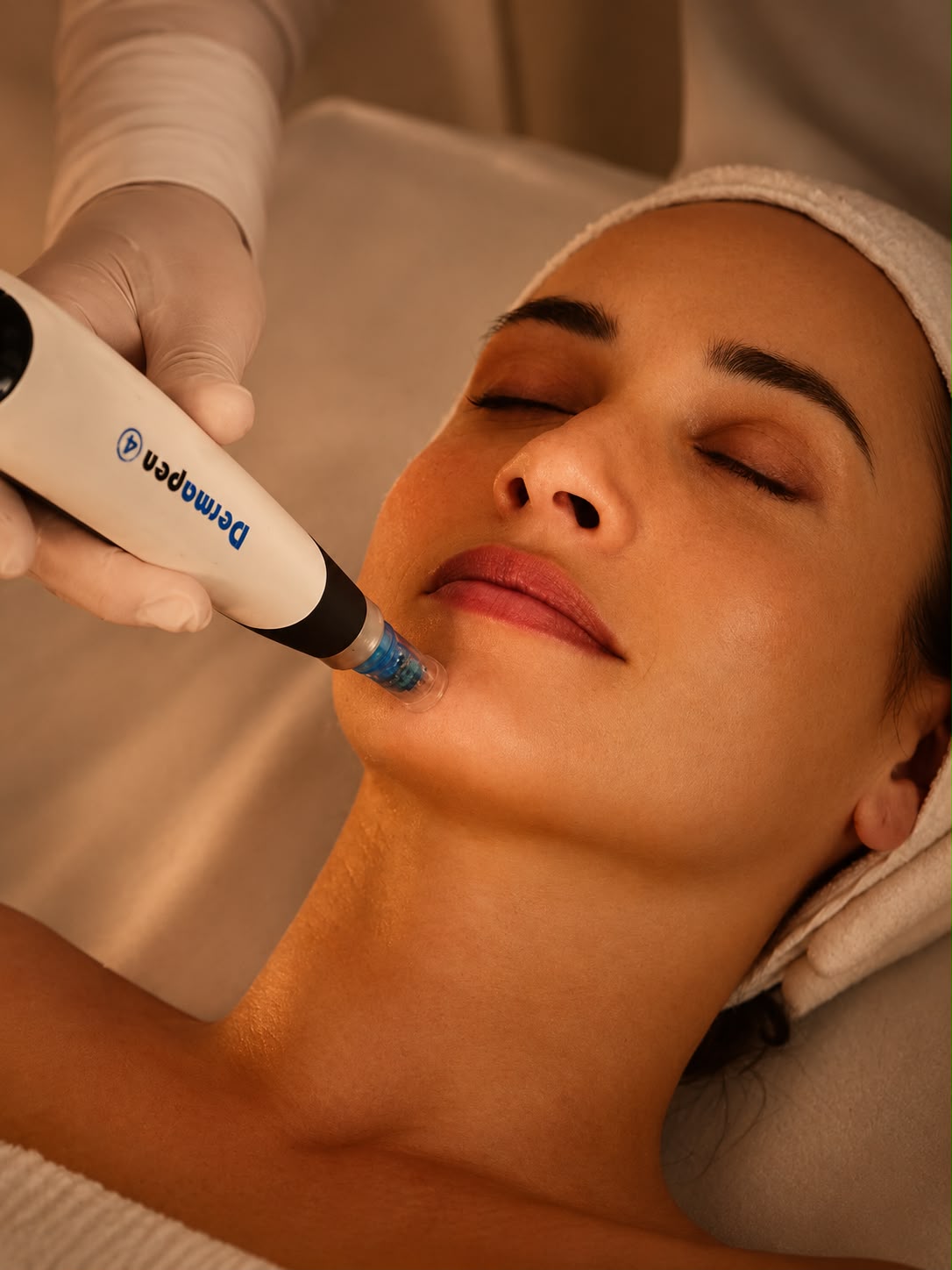
Microneedling (Dermapen 4)
Our Pigmentation & Skin Rejuvenation protocol uses controlled micro-channels to support the skin's repair process. Often combined with other treatments in a plan.
Learn more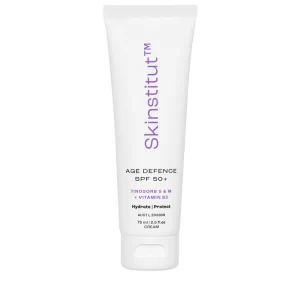
Homecare & SPF
DMK and Skinstitut homecare, including SPF 50+, chosen for your skin to prepare for treatment and help maintain results between visits.
Shop homecareHow a pigmentation plan comes together
Skin consultation
An assessment of your pigmentation type, skin type and history, and a plan built around what we find.
Prepare the skin
Some treatments need a few weeks of homecare and sun protection first to lower the risk of reactions.
In-clinic treatment
A course of treatments spaced over several weeks, reviewed as your skin responds.
Maintain
Sun protection, homecare and, where recommended, maintenance appointments.
What to expect
Pigmentation usually fades gradually over several weeks rather than all at once. Most people need a course of treatments, typically spaced four to six weeks apart, and some marks can look darker for a short time before they lighten. How long results last depends on your pigmentation type and how consistently you protect your skin from the sun. Maintenance treatment may be recommended.
Potential risks
All treatments carry risks. These can include redness, swelling, peeling, temporary darkening, blistering, infection, and in some cases new or worsened pigmentation or lightened patches of skin. Your clinician will explain the risks that apply to your recommended treatment before you proceed.
Aftercare
Daily broad-spectrum SPF 50+ is essential before, during and after treatment. Avoid direct sun, heat and active skincare for the period your clinician advises, and follow the homecare routine prescribed for you. You will receive written aftercare instructions specific to your treatment.
Common questions
Will my pigmentation come back?
It can. UV exposure, heat and hormones can trigger new pigmentation, particularly with melasma. Daily sun protection and a maintenance plan help, but no treatment can prevent pigmentation from returning.
Can I have pigmentation treatment in summer?
Some treatments are better suited to the cooler months, when sun exposure is lower. Your clinician will advise on timing for your skin and the treatment recommended.
How many sessions will I need?
It depends on the type and depth of your pigmentation and how your skin responds. Most people need a course rather than a single session. Your clinician will give you an estimate at your consultation.
Is pigmentation treatment suitable for darker skin tones?
Some treatments carry a higher risk of pigment changes in darker skin tones. Your skin type is assessed at consultation, and treatment options are chosen with that in mind.

Skin consultation
Find out what is behind your pigmentation
Book a skin consultation to have your pigmentation assessed and talk through the options that may suit you. Treatment is only recommended after your suitability has been assessed.
Book a skin consultationIndividual results vary. All cosmetic and skin treatments carry risks. A consultation is required to determine whether a treatment is suitable for you. The information on this page is general in nature and is not a substitute for a professional assessment.