
Acne & scarring
Nothing has worked, and now I have scars. What can help?
Ongoing breakouts, marks that linger long after a spot has healed, and scarring that changes the texture of the skin are some of the most common reasons people visit SydneySkinLab. Many have already tried a long list of products. Every plan begins with a skin consultation, so we can look at what is happening now and what has been left behind.

Why acne and scarring happen
Acne develops when pores become blocked with oil and dead skin cells, and bacteria and inflammation follow. Hormones, genetics, stress and some products can all play a part. The deeper and more inflamed a breakout, the more likely it is to leave a mark or scar behind, which is why acne and scarring are often looked at together.
Active breakouts
Congestion, blackheads, inflamed spots and deeper cysts that keep coming back.
Post-acne marks
Flat red, purple or brown marks left after a spot heals. These are changes in colour rather than texture, and many fade over time.
Acne scarring
Changes in the texture of the skin, such as shallow rolling scars, box-shaped scars and narrow, deep ice pick scars, caused by damage to the deeper layers of the skin.
Why it starts with a consultation
Your consultation includes a skin assessment to look at any active breakouts, marks and scarring, and what may be driving them. Active acne usually needs to be settled before scarring is treated, so your clinician will talk you through the order of treatment, what a realistic outcome looks like and how many sessions are likely to be involved.
Not everyone is suitable for every treatment. Your skin type, medical history, medications, including any acne medications, and recent sun exposure are all considered before anything is recommended. Moderate to severe acne may also need medical treatment from your GP or a dermatologist.
Treatment options
Treatments that may be recommended
Most plans combine in-clinic treatment with a homecare routine for acne-prone skin. Your clinician will recommend a combination based on your assessment.
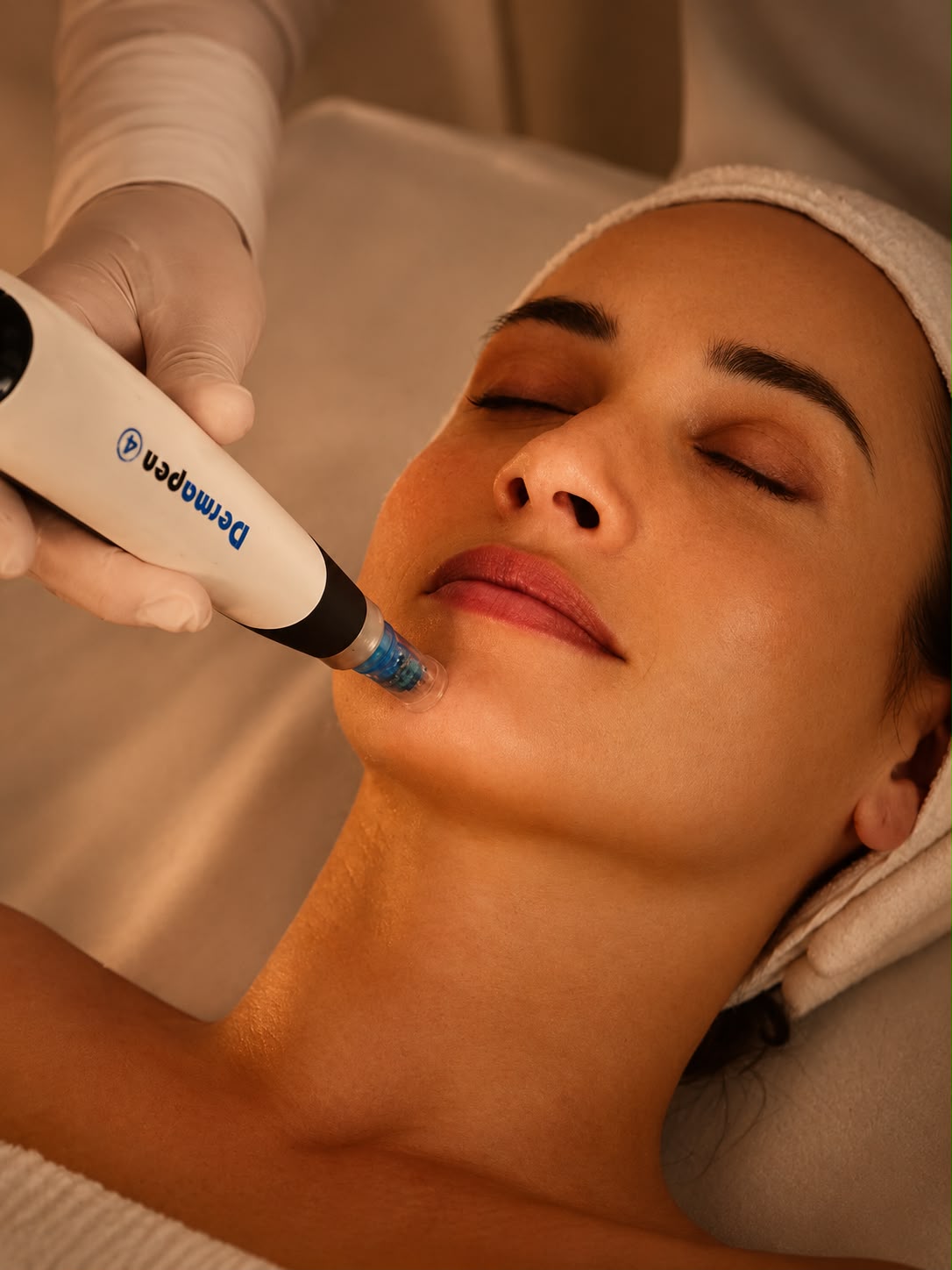
Microneedling (Dermapen 4)
Controlled micro-channels prompt the skin’s own repair response, with the aim of improving the look of acne scarring and texture. Not suitable over active, inflamed breakouts.
Learn more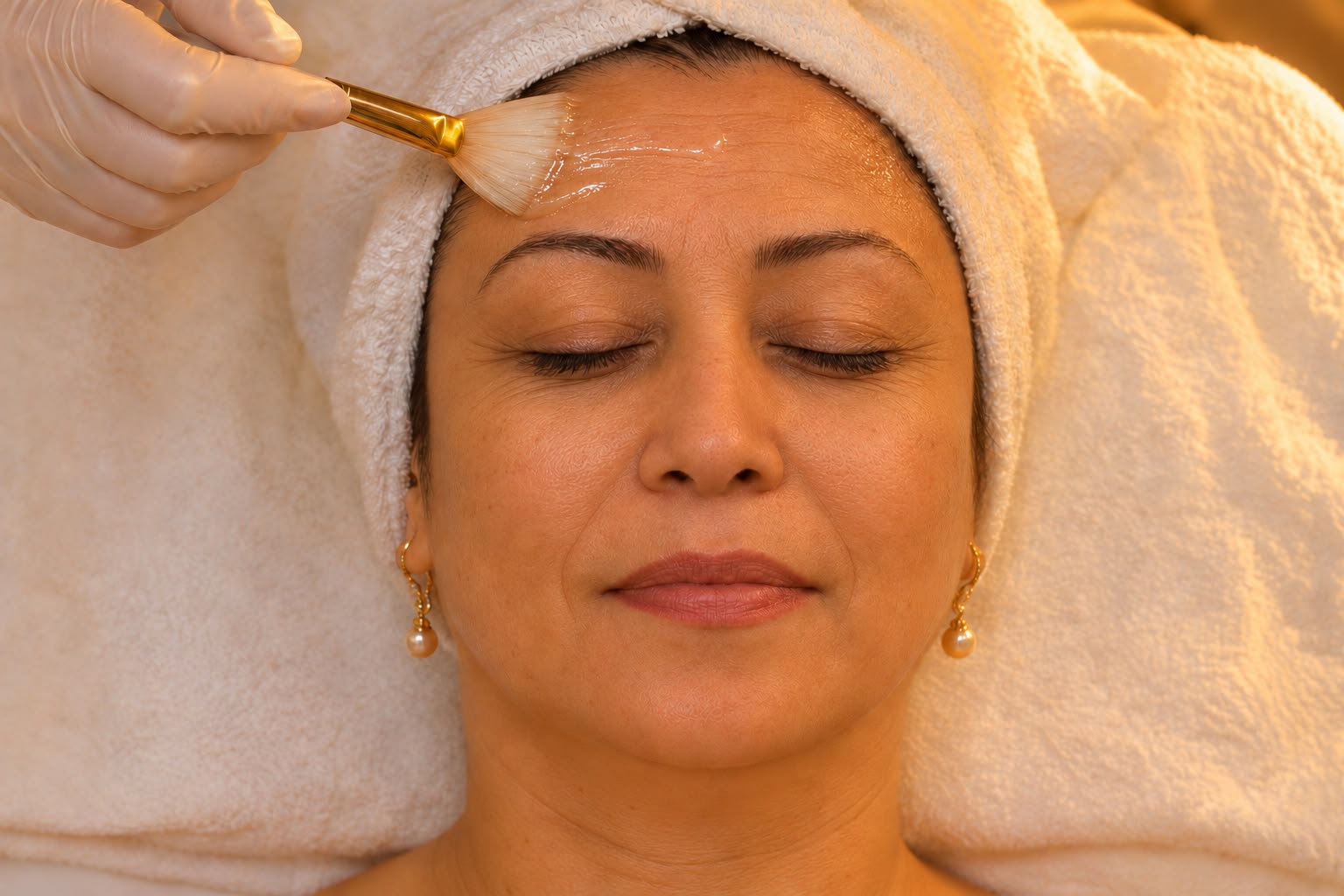
Peels
In-clinic peels exfoliate the outer layers of the skin to help with congestion, post-acne marks and uneven texture. Peel choice is matched to your skin at consultation.
Learn more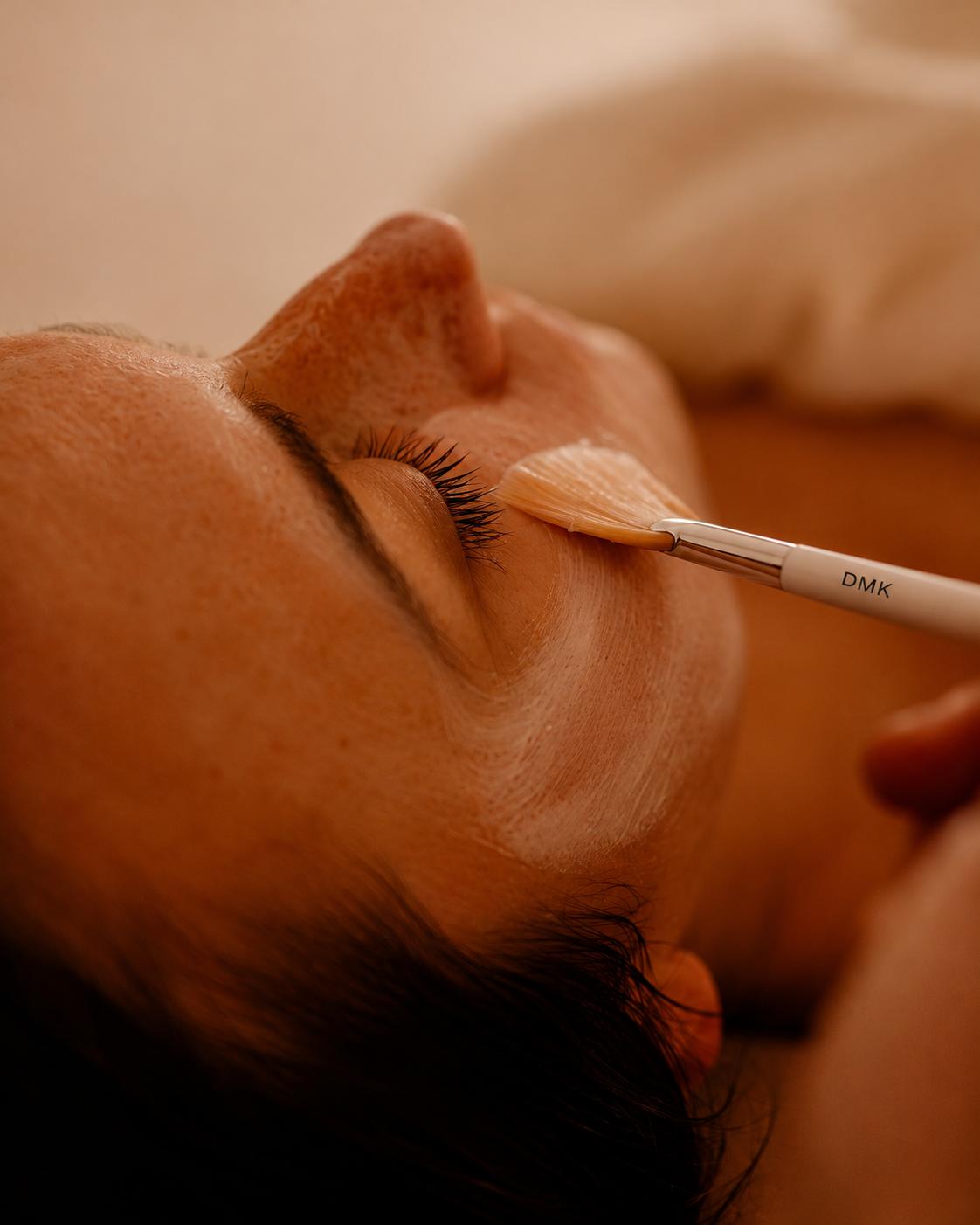
DMK Enzyme Therapy
In-clinic DMK enzyme treatments, paired with a DMK homecare programme, that work with acne-prone skin over a series of sessions.
Learn more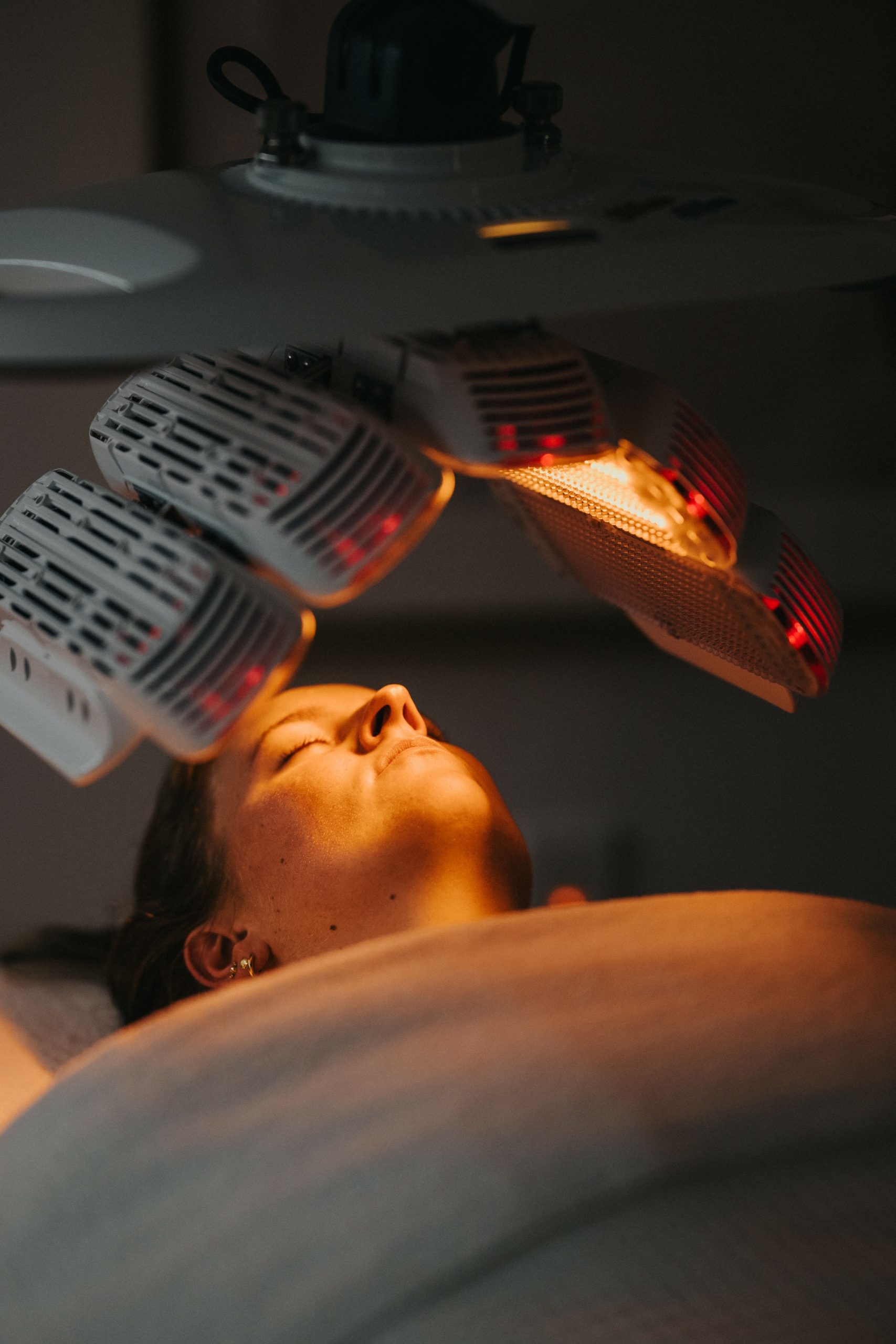
LED Therapy (Healite II)
Light therapy that is often added to a treatment plan for acne-prone skin, including after other in-clinic treatments. Your clinician will advise whether it suits your skin.
Learn moreHow an acne and scarring plan comes together
Skin consultation
An assessment of your breakouts, marks and scarring, your history and what you have already tried.
Settle active breakouts
A homecare routine and in-clinic treatment to help calm congestion and breakouts, alongside medical treatment where needed.
Work on marks and scarring
Once the skin is calmer, a course of treatments for marks and texture, reviewed as your skin responds.
Maintain
Homecare, sun protection and, where recommended, maintenance appointments.
What to expect
Change is gradual. Settling breakouts often takes several months, and scarring usually needs a course of treatments spaced four to six weeks apart. Skin can sometimes break out after a treatment before it settles. Treatment can improve the appearance of scarring but is unlikely to remove it completely, and new breakouts can still occur. Maintenance treatment may be recommended.
Potential risks
All treatments carry risks. Depending on the treatment, these can include redness, swelling, tenderness, pinpoint bleeding, dryness or peeling, a temporary flare in breakouts, infection, changes in pigmentation and, rarely, scarring. Your clinician will explain the risks that apply to your recommended treatment before you proceed.
Aftercare
Avoid makeup, picking or squeezing, heat, sweating and active skincare for the period your clinician advises. Apply broad-spectrum SPF 50+ every day and follow the homecare routine prescribed for you. You will receive written aftercare instructions specific to your treatment.
Common questions
Can you treat active acne?
We can assess your skin and recommend in-clinic treatments and homecare that may help with congestion and breakouts. Moderate to severe acne is a medical condition, and we may recommend you also see your GP or a dermatologist for medical treatment. In-clinic care can work alongside their advice.
Will my scars go away completely?
Treatment can help improve the appearance of acne scarring, but it is unlikely to remove scars completely. How much change is possible depends on the type and depth of your scarring and how your skin responds. Your clinician will talk you through a realistic outcome.
How many sessions will I need?
Scarring usually needs a course of treatments spaced several weeks apart, and some people need more than others. Your clinician will give you an estimate at your consultation.
I am on acne medication. Can I still have treatment?
Some acne medications, including some prescription medications, affect which treatments are suitable and when. Let your clinician know about any medications you are taking, as some treatments may need to wait.

Skin consultation
Find out what may help your skin
Book a skin consultation to have your breakouts, marks or scarring assessed and talk through the options that may suit you. Treatment is only recommended after your suitability has been assessed.
Book a skin consultationIndividual results vary. All cosmetic and skin treatments carry risks. A consultation is required to determine whether a treatment is suitable for you. The information on this page is general in nature and is not a substitute for a professional assessment or medical advice.