
Skin health & maintenance
I want to look after my skin properly, not fix a crisis.
Not everyone comes to SydneySkinLab with a problem to solve. Many people simply want to understand their skin, stop guessing at products and have a routine and plan that suits them. Every plan begins with a skin consultation.

What looking after your skin involves
Skin changes with the seasons, hormones, stress, age and sun exposure, so what worked a year ago may not suit it now. Looking after your skin is less about doing more and more about doing what suits it, consistently.
Daily sun protection
Broad-spectrum SPF 50+ every day is one of the most important habits for skin in Australia.
A routine that suits your skin
Products chosen for your skin type and concerns, rather than whatever is trending.
Regular review
Checking in as your skin and circumstances change, so your routine and treatments can be adjusted.
Why it starts with a consultation
Your consultation includes a skin assessment and a conversation about your history, lifestyle, current routine and goals. Your clinician will recommend a homecare routine and, if suitable, in-clinic treatments, and explain what each part of the plan is for.
Not everyone is suitable for every treatment. Your skin type, medical history, medications and recent sun exposure are all considered before anything is recommended.
How we can help
Your skin plan
Most maintenance plans combine a homecare routine with regular reviews and, where suitable, in-clinic treatments.

Skin Consultation
A skin assessment and conversation about your history, routine and goals, with a personalised plan and regular reviews as your skin changes.
Book now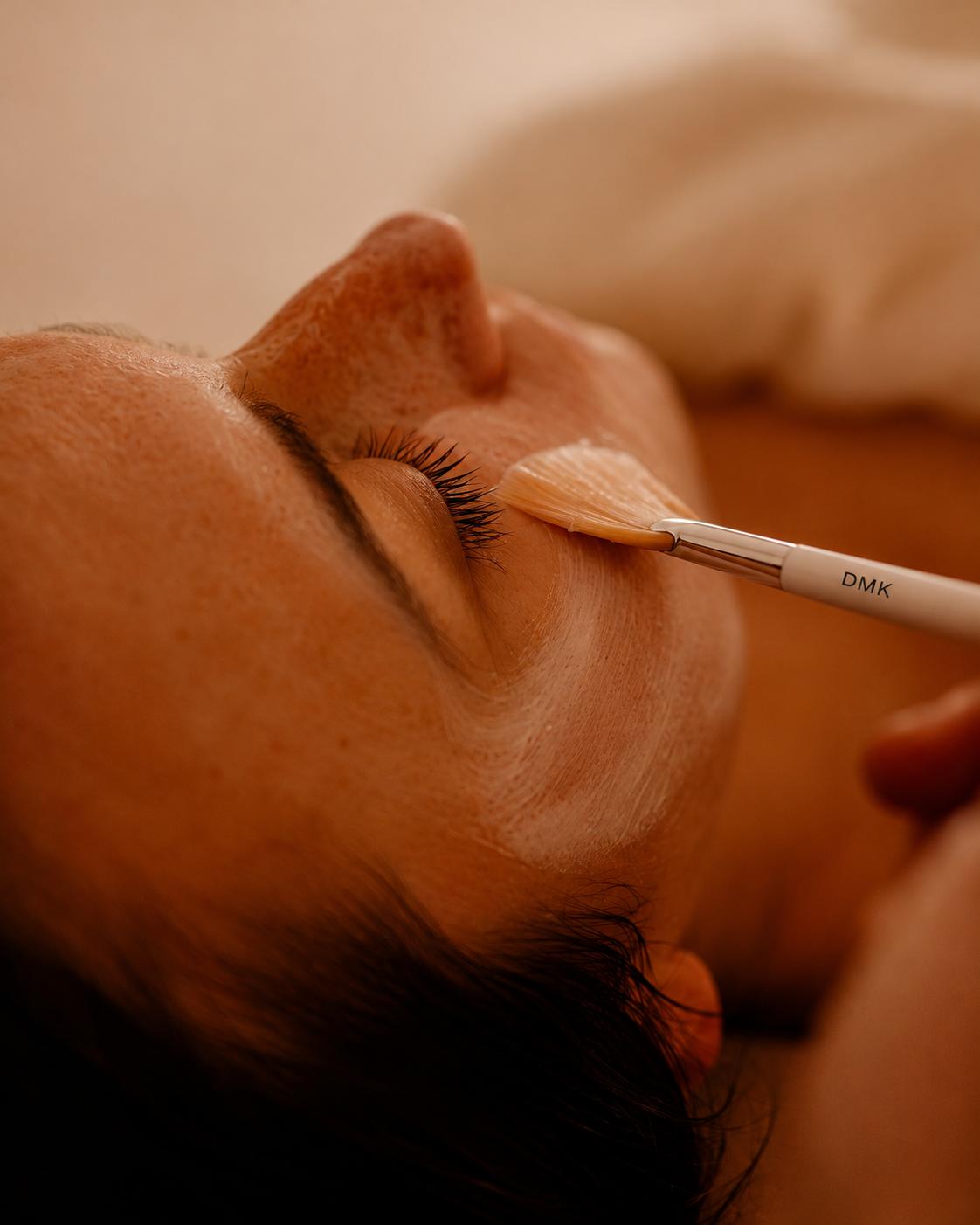
DMK Programmes
In-clinic DMK treatments paired with a DMK homecare routine, planned over a series of sessions to work with your skin.
Learn more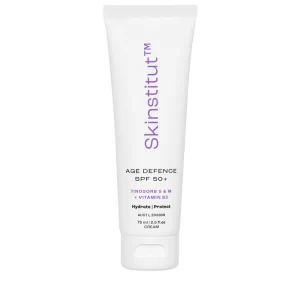
Homecare & SPF
DMK and Skinstitut homecare, including daily SPF 50+, recommended for your skin after your consultation.
Shop homecareHow a maintenance plan comes together
Skin consultation
An assessment of your skin, routine and goals, and a plan built around what we find.
Homecare routine
A routine chosen for your skin, with clear guidance on how and when to use each product.
In-clinic treatments
Where suitable, regular in-clinic treatments such as a DMK programme.
Review and adjust
Regular check-ins to adjust your plan as your skin, the seasons and your circumstances change.
What to expect
Changes from a consistent routine and regular care build gradually over weeks and months. Your clinician will review how your skin is responding and adjust your plan over time.
Potential risks
All treatments carry risks. Depending on the treatment, these can include redness, tightness, tingling, sensitivity, dryness or peeling, breakouts and, rarely, a reaction to a product or ingredient. Your clinician will explain the risks that apply to your recommended treatment before you proceed.
Aftercare
Follow the homecare routine recommended for you and apply broad-spectrum SPF 50+ every day. After in-clinic treatments, avoid heat and active skincare for the period your clinician advises. You will receive written aftercare instructions specific to your treatment.
Common questions
How often should I have my skin reviewed?
Many people find a review every few months, or as the seasons change, helps keep their routine on track. Your clinician will suggest a timeframe that suits your skin and any treatments you are having.
Do I need a lot of products?
Not usually. A routine built around your skin is often simpler than people expect. Your clinician will recommend what your skin needs and explain what each product is for.
What is a DMK programme?
DMK programmes combine in-clinic DMK treatments with a DMK homecare routine, planned over a series of sessions. Your clinician will explain how a programme would work for your skin.
Can I book a treatment without a consultation?
A consultation comes first so your clinician can understand your skin, history and goals, and recommend treatments that are suitable. After that, ongoing treatments and reviews are planned with you.

Skin consultation
Get a plan that suits your skin
Book a skin consultation to have your skin assessed and build a routine and plan that suits you. Treatment is only recommended after your suitability has been assessed.
Book a skin consultationIndividual results vary. All cosmetic and skin treatments carry risks. A consultation is required to determine whether a treatment is suitable for you. The information on this page is general in nature and is not a substitute for a professional assessment or medical advice.